Answering the search intent for allergy sufferers seeking comfortable, low-dust bedding. These picks target dust mite and allergen resistance, with options ranging from lightweight microfiber to breathable cotton covers. Ideal buyers include: allergy-conscious adults seeking year-round comfort, hot sleepers wanting breathable covers, and households needing durable, easy-care bedding. The table highlights five strong choices with clear trade-offs for different needs.
| Product | Best For | Material | Why It Stands Out |
|---|---|---|---|
| Mission: Allergy Dust Mite- and Allergen-Proof Lightweight Comforter (Queen) | Allergy-conscious sleepers seeking proven allergen blocking | Microfiber | Blocks 100% of dust mite and animal dander allergens; bedbug-proof; breathable outer layer |
| National Allergy Premium 100% Cotton Duvet Comforter Protector (Full/Queen) | Breathable, natural-fiber protection | Cotton | 100% breathable weave with BugShield zipper; tight cotton weave for protection |
| Lavish Comforts Down Alternative Comforter (King) | All-season plush and hypoallergenic | Microfiber (down alternative) | Fluffy, hotel-like feel; machine washable; compresses for shipping |
| Linenspa White Down Alternative Comforter (Oversized Queen) | All-season, lightweight-to-cozy balance | Microfiber (down alternative) | Box stitch design; eight duvet loops; versatile for kids, teens, adults |
| Mission: Allergy DreamFill Premium Microfiber Comforter (Queen) | Budget-friendly, allergen-safe option | Microfiber | Blocks 100% of dust mite and animal dander; water-repellent outer |
Mission: Allergy Dust Mite- and Allergen-Proof Lightweight Comforter

The Mission: Allergy lightweight comforter is designed by a board-certified allergist and Medical Grade. It blocks 100% of dust mite and animal dander allergens, with third-party testing. The outer microfiber is silky-soft, tightly woven, air- and water vapor-permeable, and water-repellant, reducing moisture exposure without encasing. Best for allergy-prone sleepers who want a low-profile, breathable cover.
Who this is for: hot sleepers who want airflow, and households seeking non-encasing allergen protection. Caution: not explicitly specified as machine dry-safe in product details; follow washing guidance on care labels.
National Allergy Premium 100% Cotton Duvet Comforter Protector (Full/Queen)

Made from 100% breathable cotton, this protector promotes cooler rest with a tightly woven fabric. It features the exclusive BugShield Zipper System to encase and protect the comforter, supported by an auto-locking zipper and an internal shield to eliminate gaps. Best for those who prefer natural fibers and a robust zipper enclosure.
Who this is for: allergy-conscious sleepers seeking natural fiber protection. Caution: zipper system design may require careful alignment to ensure full enclosure.
Lavish Comforts Down Alternative Comforter (King)

This king-size, fluffy duvet insert uses premium microfiber for a down-like feel without allergens. It’s hypoallergenic, machine washable, and suited for all-season use. The packaging is compressed, with 24 hours recommended for full loft. Best for buyers who want a plush, lightweight option that’s easy to care for.
Who this is for: shoppers seeking a cozy, hotel-like experience without animal products. Caution: may require regular fluffing to maintain fullness after washing.
Linenspa White Down Alternative Comforter (Oversized Queen)
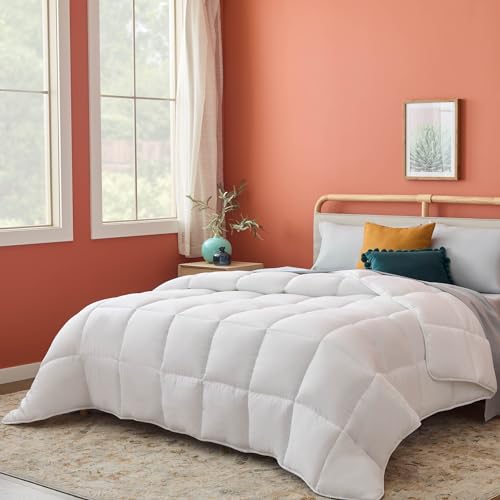
With 300 gsm down-alternative fill, this all-season comforter stays lightweight in summer and cozy in winter. It uses a box-stitched design to keep fill in place and a classic quilted look. Best for families needing a universally comfortable option that’s easy to tailor to different sleep preferences.
Who this is for: households wanting a versatile, budget-friendly option with durable construction. Caution: higher fill density may feel warmer for hot sleepers in peak summer.
Mission: Allergy DreamFill Premium Microfiber Comforter

The DreamFill option uses the same allergen-blocking design as other Mission: Allergy products with a DreamFill premium microfiber exterior. It’s water-repellant and air permeable, with no encasing required. Best for buyers who want reliable mite protection in a lightly built comforter that remains easy to care for.
Who this is for: allergy-prone sleepers seeking compact, low-maintenance protection. Caution: specific fabric weight and care instructions may vary; confirm wash settings for high-efficiency cycles.
Buying Guide: Key Purchase Considerations
What type of allergen protection do you need? For severe dust mite allergies, look for products explicitly labeled as allergen-blocking and third-party tested. Do you prefer natural fibers or synthetics? Cotton bedding offers breathability and a natural feel, while microfiber provides a silky, hypoallergenic surface and easy care. Is pillow or duvet protection essential? Consider whether a duvet cover or a fully encasing protector is more suitable for your setup. How important is washability? Machine-washable options simplify ongoing hygiene, especially for households with children or pets. What size and climate are you buying for? Choose appropriate fill power and weight to match seasonal needs and bed size. Lastly, check care labels for recommended drying temperatures to maintain loft and texture over time.
Frequently Asked Questions
- What makes a comforter allergen-proof?
Allergen-proof comforters are designed to minimize exposure to dust mites and animal dander with tightly woven fabrics and, in some cases, certified testing.
- Are cotton protectors better than microfiber for allergies?
Cotton protectors offer natural breathability and a chemical-free feel, while microfiber can provide a dense barrier and smoother surface that some people prefer.
- Do these products require encasings?
Many listed options claim protection without encasings, using tightly woven fabrics and specific constructions to reduce allergen exposure.
- How should I wash allergy-friendly comforters?
Follow care labels; most microfiber and down-alternative comforters are machine washable. Avoid high heat to maintain loft and fabric integrity.
- Which size should I choose for a queen bed?
For a queen bed, select a comforter that matches your bed dimensions (queen typically 86–90 inches wide). If you favor extra coverage, consider oversized or larger dimensions offered by some brands.
- Is a non-encasing design as effective as a zipped encasement?
Effectiveness depends on fabric density and construction. Both encased and non-encased options can offer strong protection if the weave is tight and the product is properly maintained.