For caregivers and patients alike, a high-quality alternating pressure mattress can reduce the risk of pressure ulcers, improve comfort, and promote better circulation. This guide highlights top hospital bed toppers and foam mattresses designed to relieve pressure, quiet pumps, and durable construction. Each option below is selected for effectiveness, hospital-grade performance, and suitability for long-term care at home or in a facility.
The following quick-reference summary table lists the chosen products, their brands, and a core benefit to help you compare at a glance.
| Product | Brand | Core Benefit |
|---|---|---|
| Vive Alternating Air Pressure Mattress Pad | Vive | 130 air cells with whisper-quiet pump for bed sore relief |
| Kekoy Alternating Air Pressure Mattress Pad (Blue) | Kekoy | Five adjustable modes plus wave-like massage for circulation |
| Lunderg Alternating Air Pressure Mattress Pad | Lunderg | Static mode option and quiet pump for steady rest |
| Medical King Alternating Air Pressure Mattress Pad | Medical king | 130 cells with ultra-quiet pump and full-cycle therapy |
| Invacare Premier Hospital Bed Foam Mattress | Invacare | Three-zone foam construction with high weight capacity |
Vive Alternating Air Pressure Mattress Pad
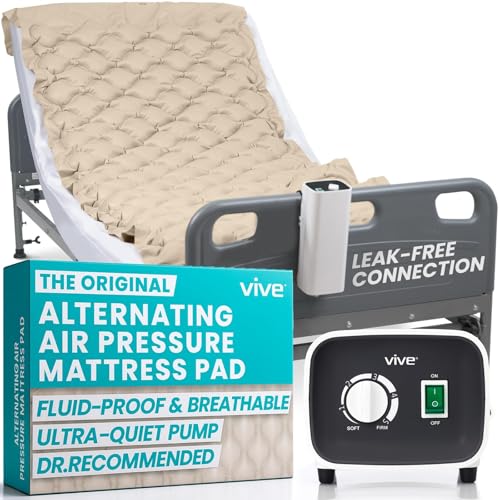
The Vive mattress pad uses 130 air cells and a proprietary wave-like therapy to distribute weight evenly and relieve pressure spots. Designed to prevent bed sores and ulcers in bedridden patients, its surface helps improve skin integrity and overall comfort. The cells are heat sealed to minimize leakage, enhancing durability for long-term use in home or care settings. A whisper-quiet pump operates at about 22 dBA, providing continuous airflow with multiple pressure levels for a fully customizable setup. Typical cycles run around six minutes, offering consistent relief without disruptive noise.
Kekoy Alternating Air Pressure Mattress Pad (Blue)

The Kekoy pad expands from a compact delivery size to a full 75″ x 36″ sleeping surface, with breathable micro-air vents for a cool, dry night. It features five adjustable pressure modes and a gentle wave-like massage every 10–12 minutes to promote circulation and reduce prolonged pressure on any single area. The waterproof and heat-resistant ulcer cushion adds an extra layer of protection for sensitive skin, making it suitable for home use or hospital beds where extended care is needed. The product is designed to support elderly users, postoperative patients, and those with mobility challenges.
Lunderg Alternating Air Pressure Mattress Pad with Static Mode
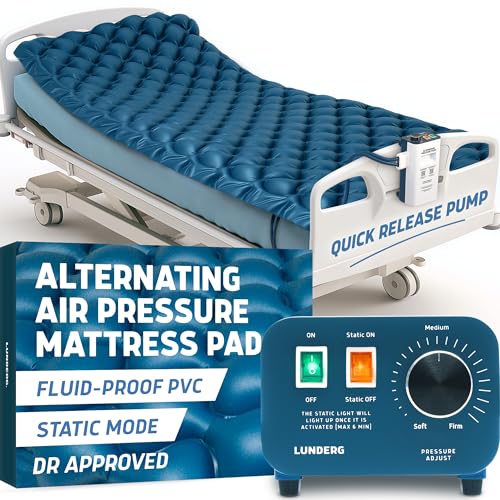
Lunderg’s offering combines a 130-cell alternating system with a Static Mode, allowing the user to switch from full cycling to a fully inflated surface for stability. The pump provides five pressure levels, making it easy to tailor firmness and support. It’s designed for hospital beds or home mattresses and supports up to 300 lbs, which makes it suitable for a wide range of users. The pedal-like connectors and quick setup help caregivers manage shifts and adjustments efficiently, reducing the need for frequent repositioning.
Kekoy Alternating Air Pressure Mattress Pad (Beige)

This Kekoy model emphasizes quiet performance with a 28 dBA pump and five adjustable modes. It features 130 air cells cycling every 10–12 minutes to promote circulation and reduce sustained pressure on vulnerable areas. The package includes waterproof and heat-resistant ulcer cushions designed for home use, making it a practical option for caregivers seeking professional-grade prevention without frequent repositioning. It’s positioned as a reliable gift for bedridden individuals, postoperative patients, and those with disabilities who require steady, gentle support.
Alternating Air Pressure Mattress Pad with Electric Quiet Pump System

Marketed as a hospital-grade solution, this mattress pad uses 130 air cells to deliver regular pressure relief cycles every 10–12 minutes. The ultra-quiet pump operates under 28 dBA, allowing for minimal sleep disruption while providing precise five-level pressure customization. It’s designed to prevent bedsores and skin breakdown for bedridden seniors or post-operative patients. Its design supports easy cleaning and maintenance, important for care settings where hygiene is critical.
Invacare Premier Hospital Bed Mattress (Foam)
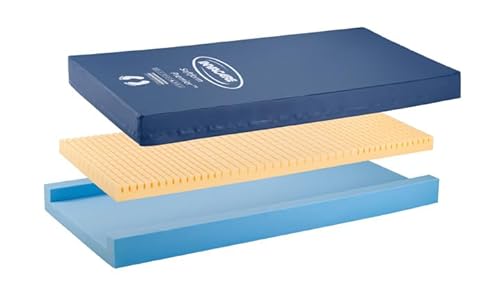
Invacare’s Premier mattress uses a two-layer foam system with a single-piece U-core and a contoured insert to optimize pressure redistribution. The 3-zone construction provides targeted support for the head, mid-section, and feet, while the high-density foam on both layers contributes to durability and side-surface support. The foam design supports a high weight capacity and is fluid-resistant, making it a robust option for hospital beds where a stable, long-lasting surface is essential for safety and comfort.
Lumex Select Hospital Bed Mattress
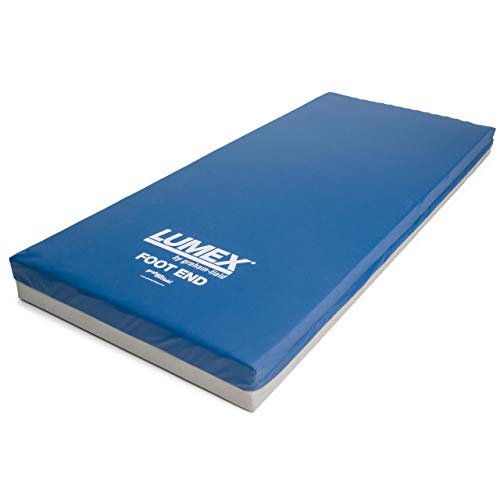
Note: The Lumex model adds dual-layer foam with flexible foam pockets to support pressure redistribution and overall comfort. It’s designed to complement adjustable bases and provides compatibility for long-term care use. With a focus on patient immersion and pressure relief, this option helps reduce the risk of skin breakdown while supporting a broad range of body types and care needs.
Buying Guide
- Pressure relief technology: Look for models with at least 130 air cells and regular cycling (every 10–12 minutes) for effective distribution of weight and pressure.
- Pump noise and controls: A whisper-quiet or ultra-quiet pump (below 30 dBA) minimizes sleep disruption. Five to six adjustable pressure levels offer better customization for individual needs.
- Surface material and durability: Heat-sealed air cells and waterproof or fluid-resistant covers extend life and simplify cleaning, essential for care settings.
- Weight capacity and size: Check weight limits (common ranges include 300–500 lbs) and mattress dimensions to ensure compatibility with your hospital bed and patient size.
- Static mode options: Static mode can provide a stable surface when continuous cycling is not needed, offering flexibility for users who require a consistent surface.
- Maintenance and care: Choose products with readily available replacement parts (pumps, connectors, and covers) and clear cleaning instructions for care facilities or home use.
- Surface support: Foam mattresses with multi-zone support or gliding layers help distribute pressure more evenly across the body, especially for high-risk areas like hips and heels.
- Hygiene and skin health: Waterproof or easy-to-clean covers reduce the risk of moisture buildup in sensitive areas, contributing to better skin outcomes.
- Mobility and ease of use: For caregivers, consider models with simple setup, quick inflate/deflate, and reliable connectors to minimize turnover time.
When selecting a pressure-reducing mattress for a hospital bed, you should weigh the need for continuous pressure relief, noise levels, and the care environment. For at-home use, consider static mode options and ease of cleaning, while care facilities may prioritize durability, weight capacity, and longevity of the system. A combination of an alternating air system with a compatible top layer (or a high-density foam base) typically offers reliable pressure redistribution and patient comfort across varied conditions.