When selecting a bariatric-compatible mattress, the goal is reliable pressure redistribution, stability on the bed frame, and easy cleaning for long-term use. This guide highlights five options suited for heavier patients and caregivers seeking durable, hospital-grade support. Each pick targets different needs—from ultimate pressure relief and anti-slip design to advanced air-loss systems—so readers can compare based on risk level, transfer needs, and maintenance considerations.
Summary table of selected products
| Product | Key Benefit | Best For | Size / Weight Capacity | URL |
|---|---|---|---|---|
| Invacare Softform Premier Bariatric Hospital Bed Mattress | Contoured foam with castellated cells for pressure reduction | Highest risk patients needing stable foam support | 80″ L x 42″ W, standard bariatric height | View |
| Medacure Pressure Redistribution Bariatric Foam Mattress – Visco Elastic | Three-layer memory foam with enhanced airflow | Comfort-focused relief and cooling | 80″ x 42″ x 6″ | View |
| Drive Medical Med Aire Plus Bariatric Low Air Loss System | Alternating pressure with 20 removable bladders | Serious pressure ulcers risk with dynamic therapy | 48″ module; compatible with bariatric setups | View |
| North American NAMC Bariatric Memory Foam Advanced Care | Gel-infused memory foam with 500 lb capacity | Heavy patients needing high-density support | 80″ x 42″ x 7″ | View |
| Invacare Hospital Bed Mattress Long Term Care (5 Fortress Cells) | Fortress shaped cells for targeted relief | Long-term care with durable, fluid-resistant cover | 80″ x 42″ x 6″ | View |
Invacare Softform Premier Bariatric Hospital Bed Mattress

Best for: Patients at very high risk of pressure injuries who benefit from advanced cell design and stable foam support. Features include a unique castellated cell pattern that reduces surface tension and improves body contouring. The single-piece foam core supports transfers and side support, while the contoured surface enhances pressure reduction. The cover is fluid-resistant, latex-free, and easy to clean, with a full-coverage anti-slip bottom for bed stability. Limitation: may be heavier to lift for manual handling during inspections or rotations.
Medacure Pressure Redistribution Bariatric Foam Mattress
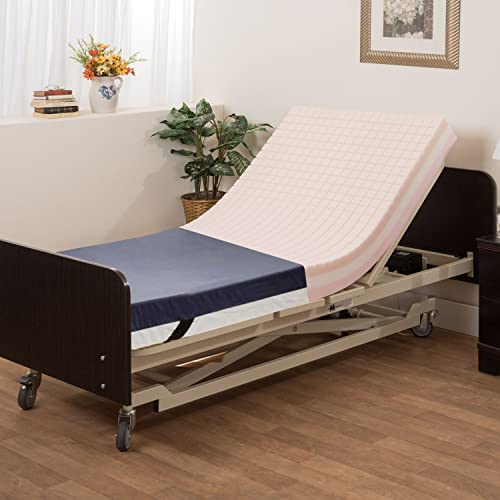
Best for: Care settings prioritizing memory-foam comfort with enhanced airflow. This 3-layer viscoelastic design distributes weight across the surface to mitigate bed sores, while the convoluted foam creates a cooler, drier experience. The standard hospital-grade nylon cover helps with hygiene. Caution: memory-foam feel may be firmer for users who prefer a softer initial sink-in.
Drive Medical Med Aire Plus Bariatric Low Air Loss System
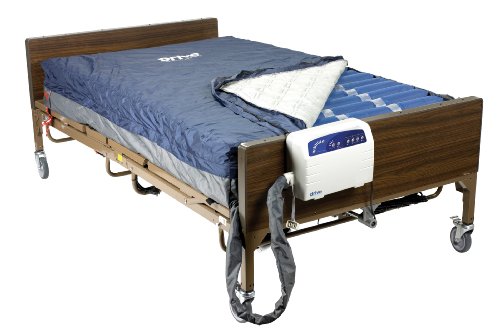
Best for: Patients with a high risk of Stage IV ulcers needing dynamic pressure redistribution. The system uses 10″ deep air cells and a digital pump with diagnostic alarms for customization. It also includes power outage protection and removable bladders for easy maintenance. Limitation: higher setup complexity and ongoing tubing management required for caregivers.
North American NAMC Bariatric Memory Foam Advanced Care

Best for: Heavier patients up to 500 lbs needing gel memory foam with edge support. The multi-density layers and FirmEdge design promote secure transfers and strong perimeter containment. The cover is medical-grade and designed to resist fluids, aiding clinical efficacy. Caution: some users may prefer a cooler feel depending on room temperature.
Buying Guide: Key Considerations For Bariatric Mattresses
- Pressure Redistribution vs. Comfort: Choose foams with castellated or U-core designs for targeted relief, or opt for gel memory foam for cooling and contouring. Balance support with patient comfort preferences.
- Weight Capacity: Verify the mattress supports the patient’s weight with ample reserve capacity. In high-BMI scenarios, look for products explicitly rated for up to 500 lbs or more.
- Bed Compatibility: Ensure the mattress size matches common hospital bed frames (80″ x 42″ is standard). Confirm connector systems and anti-slip features to prevent shifting.
- Moisture Management: Fluid-resistant or easy-clean covers reduce infection risk. Latex-free options are preferable for allergy concerns.
- Maintenance & Cleaning: Removable covers, simple zipper designs, and seam construction impact cleaning efficiency. Consider models with easy access for regular changes.
- Mobility & Transfers: Foam cores with side support or U-shaped cores aid transfers. For caregivers, anti-slip surfaces and edge stability reduce caretaking effort.
- System Type: Static foam mattresses are simple and durable; low air loss systems offer dynamic pressure redistribution but require power and maintenance. Match to patient risk level and caregiver capabilities.
Frequently Asked Questions
- What is a pressure redistribution mattress?
It is a mattress designed to minimize pressure on vulnerable areas by distributing weight more evenly, reducing the risk of ulcers.
- Who should use a low air loss mattress?
Patients with high ulcer risk or existing ulcers may benefit from the dynamic pressure redistribution of air cells.
- Are gel memory foam mattresses better than traditional foam?
Gel memory foam can improve heat dissipation and contouring, potentially enhancing comfort for some users.
- What should I check before buying a bariatric mattress?
Check weight capacity, size compatibility, cover materials, ease of cleaning, and transfer support features.
- Do these mattresses fit standard hospital beds?
Most listed options are designed for standard bariatric hospital beds of 80″ x 42″, but always confirm measurements with the bed model.
- How important is anti-slip coverage?
Anti-slip surfaces help keep the mattress in place, reducing movement and improving safety for patients.