Finding the right bedding material is essential for comfort, cleanliness, and odor control across small pets and birds. This guide highlights five top choices, explaining who each product is best for and why it stands out. Use the quick comparison table to choose at a glance, then read detailed product sections for practical buying tips and trade-offs. Suitable for cages, nest boxes, and nesting areas, these picks aim to balance softness, absorption, and dust reduction for healthy habitats.
| Product | Best For | Key Benefit |
|---|---|---|
| Sukh Bird Nesting Material | Small birds and mixed nest builders | Mixed fibers for natural nest-building and warmth |
| Exotic Nutrition All-Natural Nesting Material | Sugar gliders, squirrels, hamsters, rabbits, wild birds | 100% cotton, eco-friendly nesting option |
| Oxbow Pure Comfort Bedding (Rabbit, Hamster, Guinea Pig) | Small mammals needing odor control and easy cleanup | Low-dust, odor-absorbent white paper bedding |
| Oxbow Pure Comfort Small Animal Bedding (36L) | Small animals requiring moisture absorption | Low-dust formula with strong moisture absorption |
| Bedsure Twin/Twin XL Comforter Set | Bed-ready comfort in dorms or rooms | Soft, durable, wrinkle-friendly comforter set |
Sukh Bird Nesting Material

Best for small pet birds and mixed nest builders, this product uses a blend of jute silk, straw, cotton, and agave sisalana. The mixture is dry, soft, and flexible, with low dust to ease cage cleaning. It supports natural nesting by budgies, parrots, finches, and canaries, helping birds create warm, comfortable nests. Caution: like all nesting fibers, it should be offered in appropriate nest boxes to avoid ingestion or entanglement in loose strands.
Exotic Nutrition All-Natural Nesting Material

Best for a multi-pet household, this 4 oz bag is made from 100% Virginia-grown cotton. It supports natural nesting instincts for sugar gliders, squirrels, hamsters, rabbits, and wild birds, and is marketed as eco-friendly due to its sustainable source. Choose this if you want a simple, natural nesting option that can be reused or layered in creative nesting setups. Limitation: cotton-based nesting materials can accumulate dust in poorly ventilated spaces, so ensure good air flow.
Oxbow Pure Comfort Bedding, Rabbit, Hamster, & Guinea Pig
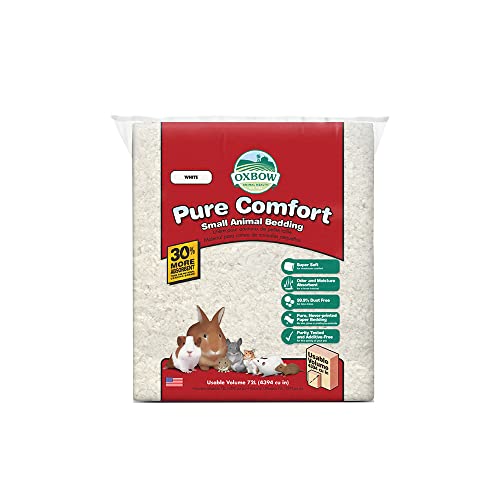
Best for odor control and easy cleanup in small mammal habitats, this white paper bedding neutralizes odors and absorbs moisture effectively. It is designed to be low-dust, helping maintain air quality in rabbit litter boxes and small animal cages. Use for rabbits, guinea pigs, and hamsters that benefit from a soft, clean surface. Limitation: paper-based bedding may require more frequent changes in high-moisture enclosures to maintain freshness.
Oxbow Pure Comfort Small Animal Bedding (36 Liter)
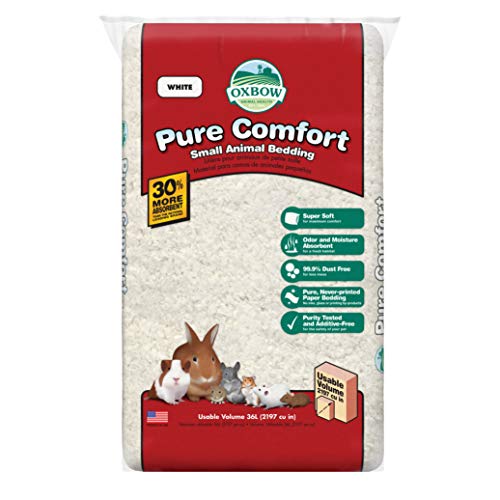
Best for moisture absorption and low-dust environments, this bedding variant emphasizes 99.9% dust reduction and a moisture-absorbing formula. It suits rabbits, guinea pigs, and other small animals living in cages where humidity and waste management are concerns. Choose this if air quality and easy cleanup are priorities. Caution: even low-dust products can leave minor residues during initial use; have a small waste bin ready for initial changes.
Bedsure Twin/Twin XL Comforter Set

Best for dorm rooms and bed-ready comfort, this set includes a lightweight comforter and pillowcase. It is described as extra soft with a cotton-like texture, designed to resist pilling and maintain a neat appearance after washes. Choose this for a home environment where bedding aesthetics and comfort matter, rather than animal habitat use. Limitation: not intended for animal bedding or nesting in cages.
Utopia Bedding Jersey Knit Queen Sheets Set

Best for all-season comfort in human bedding, this 4-piece jersey set features a soft, stretchy t-shirt-like feel with a cotton-poly blend. It offers a breathable, cozy sleep experience and a practical fit with a deep pocket for king or queen-sized mattresses. Choose this for a durable, comfortable sleep setup in home bedrooms, not for pet habitat use. Limitation: not designed for animal bedding or nesting applications.
RAINFLOW 5OZ Natural Nesting Material

Best for a natural nesting experience across species, this cotton-based material supports sugar gliders, birds, hamsters, rabbits, squirrels, and more. It emphasizes fluffy softness and easy tearing or folding to create private nests. All-season comfort is noted, with moisture-absorption properties to keep nests drier. Caution: ensure nests are built with safe, visible parts to avoid entanglement or ingestion of loose fibers.
Buying Guide
What should I consider when choosing nesting vs. bedding material?
Nesting materials are designed to support natural nesting behavior, often with fibers that birds or small mammals can weave into structures. Bedding materials prioritize moisture absorption, odor control, and dust reduction for daily enclosures and habitats. Some products mix both benefits; decide based on your pet type and enclosure needs.
Which features matter most for birds vs. small mammals?
For birds: look for dry, dust-minimized, fiber blends that birds can manipulate into nests without ingesting loose strands. For small mammals: prioritize moisture absorption, odor control, and low-dust formulas to maintain habitat hygiene and air quality.
Is dust reduction important in nesting materials?
Yes. Low-dust or dust-reduced products help maintain better air quality in enclosures, especially for animals with sensitive respiratory systems. Start with products labeled as low-dust and observe how your pets respond over the first weeks of use.
How much material should I provide at once?
Offer nesting fiber in modest amounts, replenishing as needed. Avoid overfilling nests or cages to reduce waste and prevent mold or moisture buildup. For loose nesting fibers, monitor for clumping in humid environments.
Are cotton-based nesting materials safe for all species?
Cotton-based nesting materials are versatile and generally eco-friendly, but some pets may prefer other textures. Always supervise new materials for the first few days to ensure safe use and avoid ingestion or tangling.
What about combining products?
Combining a natural nesting blend with a low-dust bedding option can balance nesting behavior and general enclosure cleanliness. Use nesting materials in nesting boxes and reserve beddings for living areas to maintain overall habitat hygiene.
FAQ
- Q: Are these nesting materials safe for damp or humid cages? A: Choose moisture-absorbing bedding and maintain good ventilation to prevent mold and odors.
- Q: Can small animals nest directly on paper bedding? A: Paper bedding can be paired with nesting materials, but ensure the materials do not pose ingestion or entanglement risks.
- Q: Do these products contain fragrances or dyes? A: Some natural options emphasize fragrance-free cotton or natural fibers; always check product details for additives.
- Q: How often should I replace nesting materials? A: Replace when soiled or damp; in high-use habitats, more frequent changes help maintain hygiene.
- Q: Are there any safety cautions to consider? A: Avoid loose strands that could entangle small pets and inspect for signs of ingestion or allergic reactions.