When bedridden or limited in movement, choosing the right hospital bed mattress is crucial for preventing pressure sores and promoting skin health. This guide highlights five top alternating air pressure mattress pads that are designed to distribute weight evenly, boost circulation, and minimize bed sore risk. Each option includes a whisper-quiet pump and medically inspired design to support comfort in both home and hospital settings.
| Product | Brand | Notes |
|---|---|---|
| Vive Alternating Air Pressure Mattress Pad | Vive | Original bed sore prevention solution |
| Kekoy Alternating Air Pressure Mattress Pad | Kekoy | Whisper-quiet pump, multiple modes |
| Lunderg Alternating Air Pressure Mattress Pad | Lunderg | Static mode option, doctor recommended |
| Kekoy Alternating Air Pressure Mattress Pad (Beige) | Kekoy | Quiet pump, 130 cells |
| Roscoe Medical Meridian Alternating Mattress | Roscoe Medical | Quiet pump, durable system |
Vive Alternating Air Pressure Mattress Pad
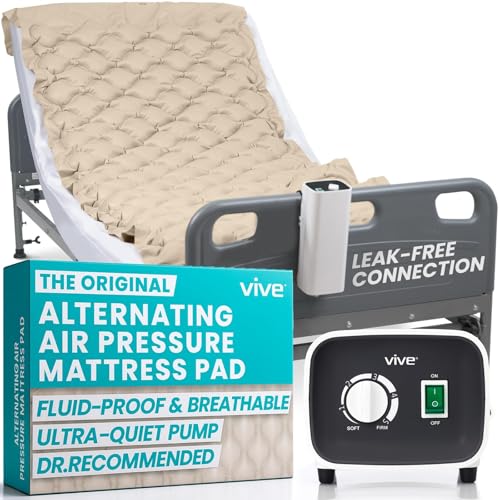
The Vive alternating pad provides doctor-recommended relief from bed sores and ulcers by evenly distributing weight and promoting circulation. Its 130 air cells work with a proprietary algorithm to alternate inflation and deflation, helping to prevent pressure spots on immobilized patients. The pump operates at a whisper-quiet 22 dBA, delivering a calm user experience with customizable pressure levels. A six-minute cycle offers continuous, gentle relief across the bed surface.
Key features include heat-sealed air cells for durability, a waterproof and breathable cover, and simple setup that makes it suitable for long-term use in both home care and hospital environments. This model emphasizes comfort, longevity, and reliable pressure redistribution to support skin integrity during extended bed rest.
Kekoy Alternating Air Pressure Mattress Pad

This Kekoy model emphasizes a 75″ x 36″ sleep surface with a compact arrival and a full expansion to fit typical hospital bed dimensions. The breathable micro-air vents support a cool, dry sleep and help reduce night sweats, supporting skin health. With five adjustable pressure modes and cycle-driven massaging action every 10-12 minutes, it targets pressure relief across critical body areas and promotes circulation to minimize tissue damage. The design also features a waterproof, heat-resistant ulcer cushion pad for added protection.
Lunderg Alternating Air Pressure Mattress Pad
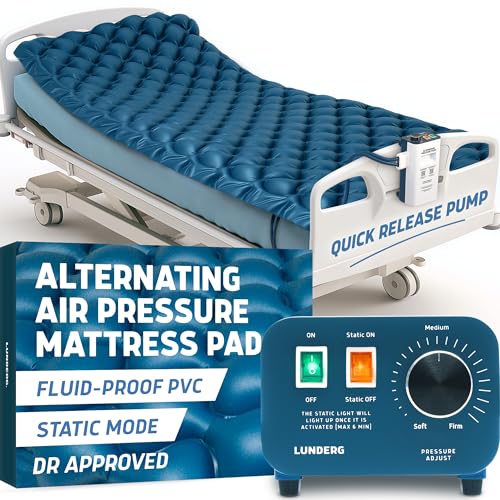
Designed for hospital bed use and home care, Lunderg’s mattress pad emphasizes doctor and therapist approval. It combines a quiet pump with a static mode option for periods when constant cycling isn’t needed. The system supports up to 300 lbs, making it suitable for a wide range of patients. Its pressure-relief capabilities help reduce skin irritation and promote healing by mitigating prolonged pressure on vulnerable areas.
Kekoy Alternate Pad Beige

This beige Kekoy model delivers a quiet 28 dBA pump that operates across five pressure modes, balancing firmness and softness to optimize comfort. With 130 air cells and a gentle 10-12 minute wave cycle, it emphasizes steady, targeted relief to prevent pressure sores. The compact packing and robust construction suit use in home care settings and facilities alike, offering reliable prevention and relief for bedridden users.
Roscoe Medical Meridian Alternating Mattress

The Roscoe Medical Meridian system offers a durable alternating air mattress pad with a whisper-quiet pump, suitable for home and hospital use. It supports users up to 300 lbs and focuses on preventing pressure sores through consistent pressure redistribution. The unit is designed for long-term care environments, providing a reliable, low-noise solution for bed sore prevention while maintaining comfort across different bed configurations.
Careboda Alternating Pressure Mattress

Careboda’s model highlights a quiet pump with less than 40 dB noise and multiple adjustable levels to tailor comfort. The high-quality PVC fabric is breathable, waterproof, and easy to clean, supporting a hygienic sleep surface. The sealed air chambers distribute weight evenly to reduce pressure points, promoting skin health and aiding prevention strategies for bed sores in both hospital and home settings.
Vive Replacement Alternating Pad

This replacement pad provides a cost-effective option for maintaining pressure relief without purchasing a full system. It includes an extra-long pad, dual inflation tubes, and a patch kit, enabling quick repair of a worn surface while preserving the original pump setup. The replacement pad continues to distribute weight evenly to relieve pressure points and promote skin health for bedridden users.
Safe Medic Alternating Air Mattress Pad
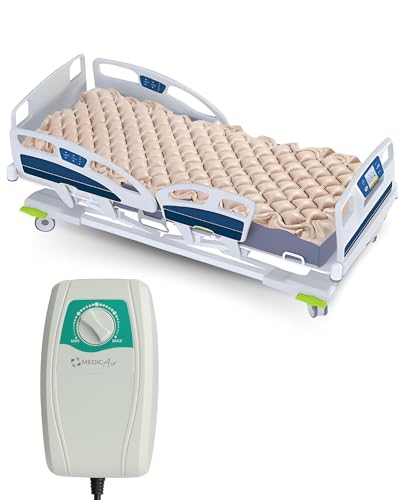
Safe Medic’s mattress pad features 130 leak-proof air cells designed for consistent pressure redistribution. Its quiet pump sits on the bed frame to minimize disturbance, supporting a peaceful night’s sleep. The pad is compatible with most mattresses and aims to reduce bed sore risk by evenly distributing weight across the surface, improving comfort and skin condition during long-term use.
Buying Guide: Key Purchase Considerations
- Pressure redistribution performance: Look for systems with multiple air cells (typically 130) and an effective cycle pattern to prevent prolonged pressure on any one area.
- Noise level: A whisper-quiet or silent pump (under 30 dB) supports restful sleep, especially for long nights in care settings.
- Weight capacity and fit: Ensure the mattress pad supports the patient’s weight and fits standard hospital bed dimensions or your home mattress.
- Durability and materials: Heat-sealed cells, waterproof covers, and medical-grade fabrics improve longevity, hygiene, and ease of cleaning.
- Modes and customization: Options like static mode, multiple pressure levels, and cycling frequency allow tailoring to individual needs and healing progress.
- Maintenance and compatibility: Some pads are replacement-only, while others are complete systems; verify pump compatibility if you plan future replacements.
- Care setting: Consider whether the device is intended for home care, hospital use, or both, and how portable or easy to set up it is for caregivers.
- Safety and medical endorsement: Prefer models with doctor or therapist recommendations and clear safety features to minimize risks during use.